Why You're Always Snacking: Hunger, Cravings & What Your Body May Actually Need
Why You're Always Snacking: Hunger, Cravings & What Your Body May Actually Need
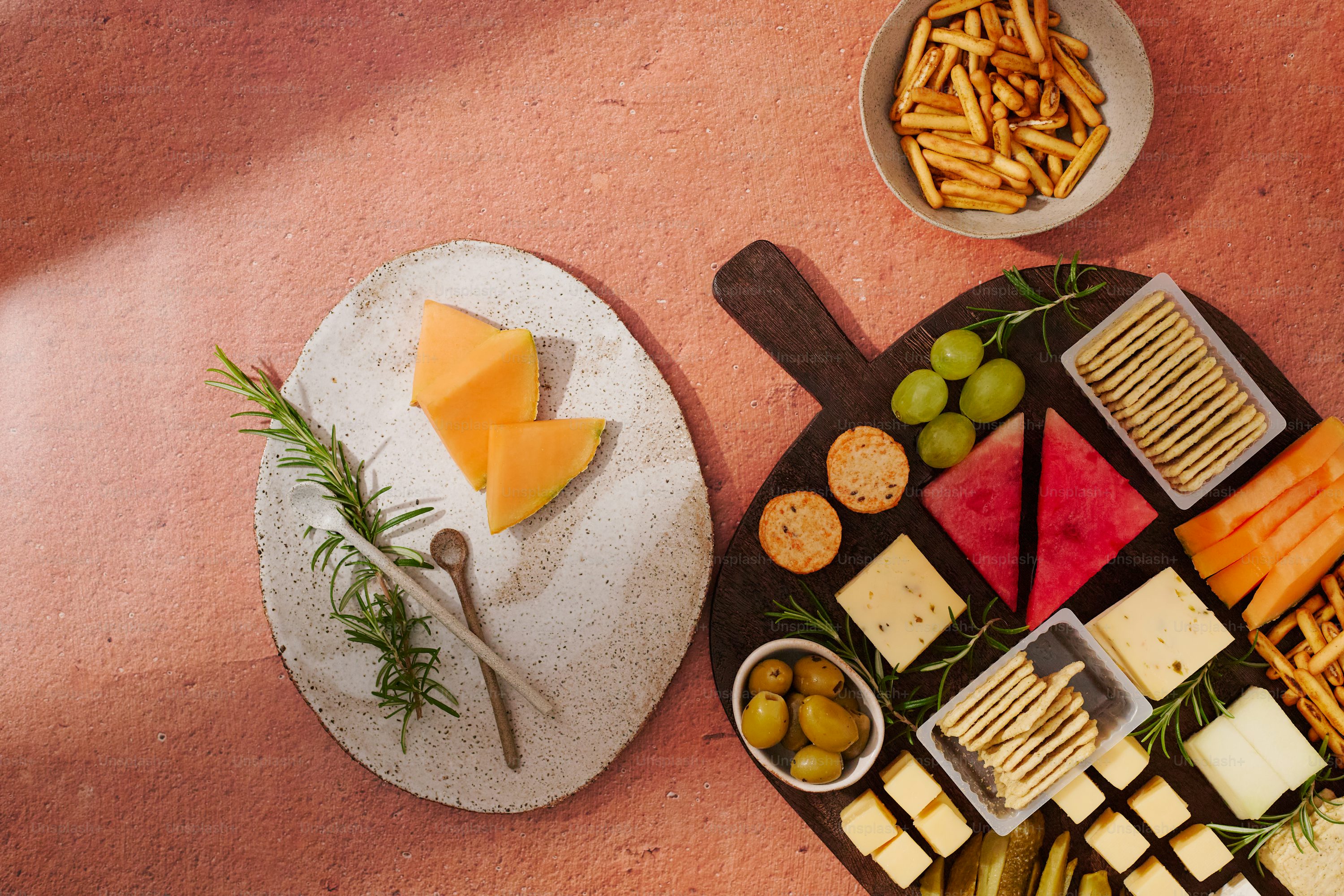
Can we talk about crap snacks for a minute?
You know what I'm talking about. 😂You're in the kitchen, opening cabinets, looking in the fridge, and trying to figure out what you want to eat.
You grab something. Meh. That's not quite it. So you grab something else. Maybe something sweet. Maybe something salty. Maybe a little of both because apparently your taste buds can't make up their damn minds today.
And then you start wondering what's wrong with you.
Why am I always snacking?
Why can't I just stop thinking about food?
I need to get my eating under control.
But what if this isn't a willpower problem? What if your body is trying to tell you something?
First things first: Are you eating enough?
This is one of the first things I'd look at if you told me you were constantly hunting for snacks. What does your actual day of eating look like? Are you eating breakfast? Having a decent lunch? Getting enough protein, carbohydrates, fats, and overall food to meet your needs? Or are you surviving on coffee, a light lunch, and the determination to be “good” today?
Because if you're not eating enough throughout the day, it's not surprising if you find yourself raiding the kitchen later. Your body needs energy. When it isn't getting enough, hunger and food cravings can become harder to ignore. And here's where we get ourselves into trouble. We think the answer is to have more discipline. We try to ignore the cravings, restrict certain foods, or promise ourselves we'll do better tomorrow. Meanwhile, our bodies are still trying to get the energy they need.
You can't consistently underfeed yourself and expect willpower to solve the problem. Sometimes the first step toward less chaotic snacking is actually eating more consistently.
I noticed this in my own life.
I've been paying closer attention to how much I'm eating, and I've realized I wasn't always eating enough. As I've gotten more consistent about fueling my body, something interesting has happened.
The constant hunt for snacks has pretty much disappeared. I'm not spending my day thinking about what I can eat next. I'm not constantly looking for a little something to satisfy a craving. I'm eating enough food, and I'm noticing a difference. It's a good reminder that sometimes the thing we think we need to control is actually a sign that something else needs attention.
And no, this doesn't mean eating enough will magically eliminate every craving. Our bodies and our relationships with food are more complicated than that.
But it's a pretty important place to start.
Not every craving means you're hungry.
Now, let's talk about the other side of this. Sometimes you're physically hungry. Sometimes you're tired, stressed, bored, overwhelmed, or looking for a little comfort.
Sometimes eating has become part of a routine. You sit down to watch TV, and suddenly you want a snack because that's what you always do.
And sometimes you simply want something that tastes good. None of those automatically makes you a problem that needs fixing.
Food serves more than one purpose in our lives. It nourishes us, brings us pleasure, connects us with other people, and can sometimes provide comfort.
The goal isn't to eliminate every reason for eating that isn't physical hunger. The goal is to understand your patterns so you can make choices that actually support you.
For example:
You're genuinely hungry: Eat something satisfying. If you're constantly hungry between meals, look at whether you're eating enough overall.
You're exhausted: Food might sound appealing, but you may also need rest or a better night's sleep.
You're stressed: A snack might offer a moment of comfort, but you may need another way to manage the stress, too.
You're bored or looking for stimulation: Maybe you need a break, a change of scenery, or something enjoyable to do.
You just want a cookie: Have the cookie if you want it. You don't need to turn every food choice into a psychological investigation. 😂
The point isn't to judge yourself. It's to get curious.
Restriction can make the whole thing worse.
Have you ever told yourself you weren't going to eat a certain food, only to find yourself thinking about it constantly?
Or decided to cut out sweets, snacks, bread, or whatever the food villain of the week happens to be?
For some people, rigid food rules can make certain foods feel even more appealing. And when you combine restriction with not eating enough, you can end up in a frustrating cycle.
You restrict. You get hungrier or more preoccupied with food. You eventually eat the food you've been trying to avoid. Then you feel guilty and decide you need to be even stricter tomorrow. Sound familiar?
This doesn't mean every food rule is automatically harmful or that you should ignore how different foods make you feel. It means that constantly fighting your hunger and treating certain foods as forbidden can make eating feel a whole lot more complicated than it needs to be.
You don't have to earn your food, and you don't have to punish yourself for eating. You can nourish your body, enjoy the foods you love, and still work toward feeling better. Those things can coexist.
So what should you do when the crap-snack cycle kicks in?
Instead of immediately telling yourself to stop eating, try a little curiosity first.
1. Look at your overall food intake.
Are you eating regularly? Are your meals satisfying? Are you getting enough food to support your activity and energy needs? If you're hungry all the time, don't start by trying to suppress your hunger.
2. Pay attention to patterns.
Does the snacking happen every afternoon? After a stressful workday? Late at night when everyone else has finally left you alone? Patterns can help you identify what might be contributing to the behavior.
3. Check in with yourself without judgment.
Ask yourself, “What do I need right now?” Maybe it's food. Maybe it's rest. Maybe you need five minutes to yourself. And maybe the answer is still a snack. That's okay.
4. Stop labeling yourself as bad.
Eating something you didn't plan to eat doesn't make you lazy, undisciplined, or unhealthy. One snack doesn't define your health. Neither does one day of eating.
Look at the bigger picture.
5. Get help if you're stuck.
If you're constantly thinking about food, struggling with restrictive eating and overeating cycles, or feeling frustrated by cravings and digestive symptoms, you don't have to figure everything out alone.Sometimes an outside perspective can help you recognize patterns you've been too close to see.
Your cravings aren't character flaws.
Here's what I really want you to take away from this.
If you're constantly looking for something to eat, you don't automatically need more willpower. You might need more food. You might need more consistency.
You might need to look at stress, sleep, habits, or your relationship with food. Or you might simply need to stop making certain foods so complicated.
Cravings are clues, not character flaws.
You don't have to fight your body every time it asks for something. Start by listening. Get curious. Pay attention to what happens when you give your body consistent nourishment instead of constantly trying to control it. Because sometimes the answer to “How do I stop eating so many crap snacks?” isn't another rule to follow.
Sometimes it's learning what your body actually needs. And sometimes? It's just eating the damn cookie. 😂
💜 Alyssa
Need help figuring out where to start?
If you're feeling frustrated with your eating habits, cravings, energy, or digestion and aren't sure what to focus on first, my Gut Glow Nutrition Audit is designed to help you look at the bigger picture. We'll look at your food, habits, symptoms, and lifestyle, then work together on personalized recommendations that make sense for you.